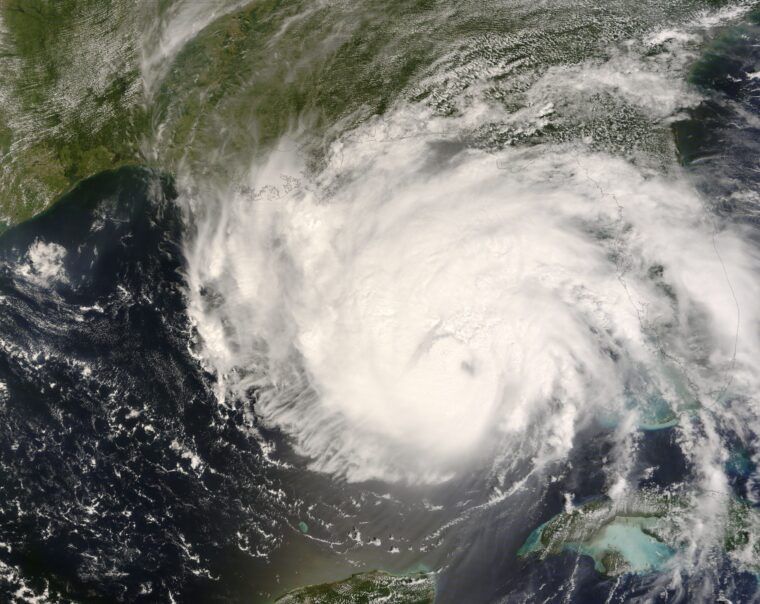
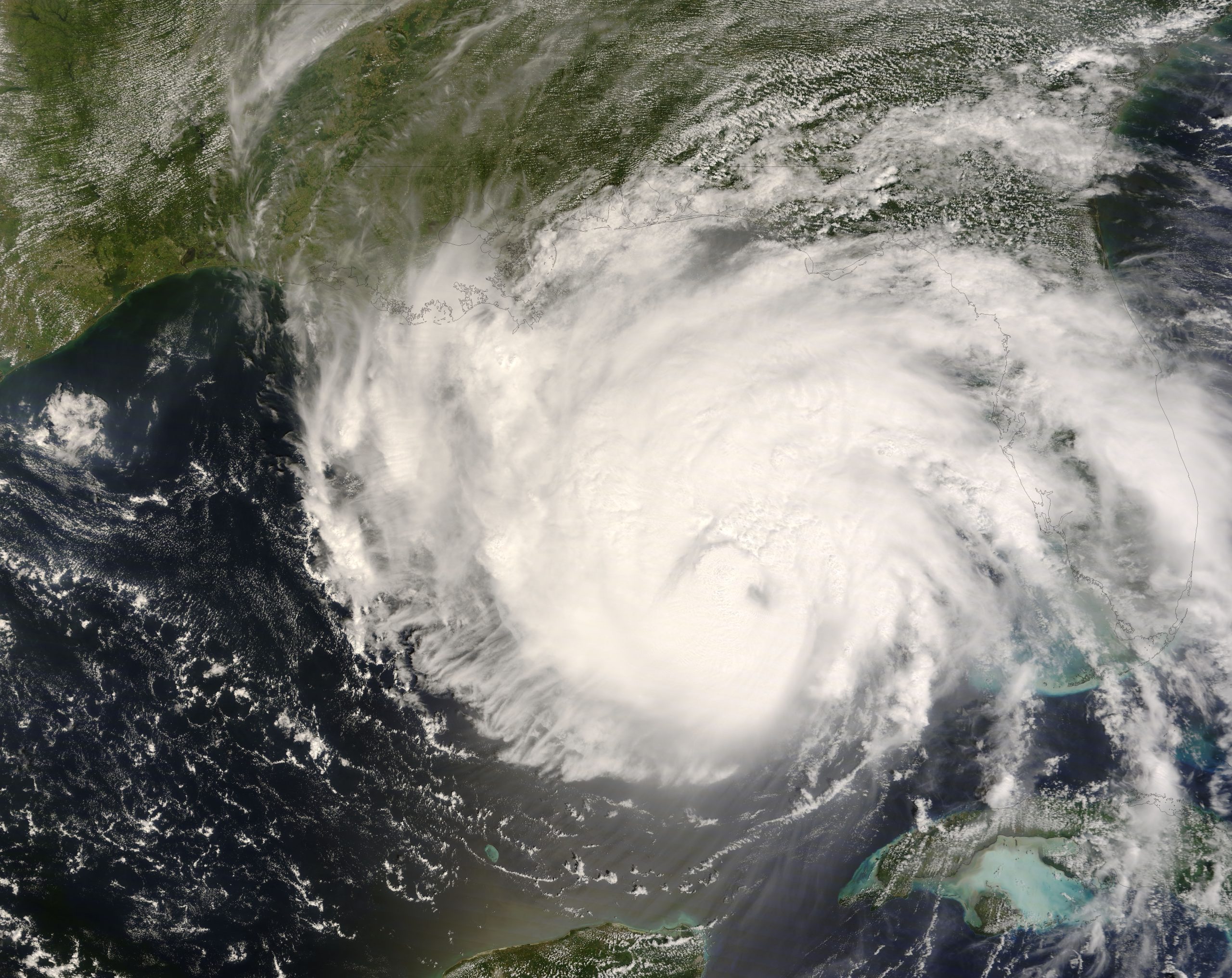
Hurricane Gustav, September 1, 2008 | Photo Credit NASA
June 1 marks the official start of the Atlantic hurricane season, a six-month period that stretches through November 30 and calls for vigilance, compassion, and preparedness.
At Lutheran Disaster Response, we believe preparedness is not only practical, but also an expression of care for our neighbors. As communities across coastal and inland regions enter this season, we are reminded that even one storm can profoundly impact lives.
What to Expect This Hurricane Season
The National Oceanic and Atmospheric Administration (NOAA) released its 2026 outlook in May, projecting a below-average hurricane season overall. Forecasts indicate:
- 8–14 named storms
- 3–6 hurricanes
- 1–3 major hurricanes (Category 3 or higher)
This quieter outlook is largely influenced by the expected development of El Niño, which can suppress storm formation by increasing atmospheric wind shear. However, a critical reminder remains: It only takes one storm to cause widespread devastation.
Recent seasons underscore this reality. Even years with average or below-average storm counts have included powerful hurricanes that caused significant loss of life and property.
Preparedness for Individuals and Families
For individuals and families, preparedness begins at home. Resources from Ready.gov emphasize three core steps: make a plan, build a kit, and stay informed.
1. Make a Plan
- Create a family communication plan in case you are separated.
- Identify evacuation routes, shelters, and meeting points.
- Include plans for children, older adults, and pets.
2. Build an Emergency Kit
Prepare to be self-sufficient for several days:
- Water and non-perishable food
- Medications and medical supplies
- Flashlights, batteries, and a weather radio
- Important documents stored safely
3. Protect Your Home and Finances
- Review insurance coverage, especially for flooding (often not included in standard policies).
- Secure outdoor items and clear hazards.
- Document belongings with photos in case of damage.
4. Stay Informed
- Sign up for local alerts and warnings.
- Know the difference between a watch (possible) and a warning (expected).
Strengthening Community Preparedness
Hurricanes don’t just affect individuals. They test the resilience of entire communities. Faith-based organizations, including Lutheran Disaster Response, play a critical role in preparedness and recovery.
Communities can prepare by:
- Knowing local risks and evacuation zones
- Coordinating with local emergency management agencies
- Supporting vulnerable neighbors, including elderly and those with disabilities
- Participating in community response planning or volunteer networks
Ready.gov encourages communities to build awareness, share resources, and foster connections that ensure no one is left behind before, during, or after a storm.
Preparedness Is a Shared Ministry
Preparedness is not rooted in fear. It is grounded in hope, responsibility, and love of neighbor. By taking steps today, individuals and communities can reduce harm and be better equipped to care for one another when storms arise.
As a congregation, we encourage you to download, review, and take the recommendation actions identified in our Congregational Preparedness Guide. This easy-to-use document is designed to help congregations take some basic and important steps toward resiliency and intentionality in response to disaster so that they will be better able to serve their communities when disasters strike.
As we enter hurricane season, Lutheran Disaster Response invites you to:
- Review your congregation’s plans
- Check on neighbors
- Share resources
- Pray for safety and resilience
Together, we can face this season not just ready but connected, compassionate, and committed to caring for all.
Supporting Communities Through Lutheran Disaster Response
In the face of these compounding emergencies, Lutheran Disaster Response continues to walk alongside communities as they respond to immediate needs and rebuild with dignity and hope. Through trusted international partners, LDR supports emergency relief, recovery, and long-term resilience efforts, addressing food security, shelter, livelihoods, psychosocial support, and disaster preparedness.
Supporting Lutheran Disaster Response enables timely, locally led responses that prioritize the most vulnerable and strengthen communities against future crises. As climate impacts intensify and conflicts persist, sustained solidarity and partnership are essential. Together, we can help ensure affected communities are not only supported in times of crisis, but also empowered to recover, rebuild, and thrive. Learn more about how to support the work of LDR here.
